
Formed on St David’s Day (1st March) in 2006, the regiment was created through the amalgamation of two historic Welsh regiments: The Royal Welch Fusiliers and The Royal Regiment of Wales.
Through its antecedent regiments, The Royal Welsh carries forward more than 350 years of distinguished military history. Its forebears fought in some of the most famous campaigns in British history, including the Duke of Marlborough’s campaigns, the American War of Independence, the Napoleonic Wars, the Crimean War, and both World Wars. Notably, its heritage includes the legendary defence of Rorke’s Drift in 1879 by the 24th Regiment of Foot (later the South Wales Borderers).
Today, The Royal Welsh is a modern, highly adaptable combat force and the regiment primarily consists of two battalions:
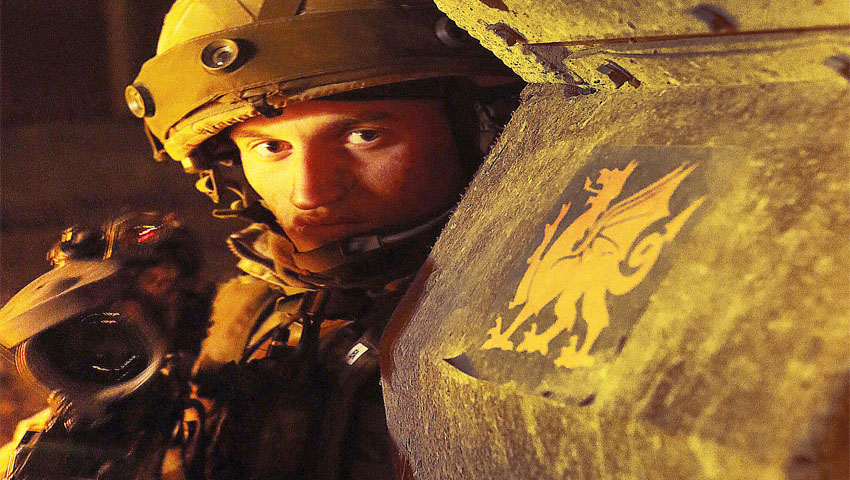
A Regular Army armoured infantry battalion based in Tidworth. They operate at the forefront of the British Army’s warfighting capability, utilising heavy armoured vehicles such as the Warrior. In the near future the battalion will operate the Ajax, Ares and Boxer family of vehicles. They are regularly deployed on international operations and NATO exercises, including recent deployments to Estonia as part of Operation CABRIT.
The Reserve battalion, which is based across Wales and provides vital support, specialised skills, and reinforcements to the regular battalion.
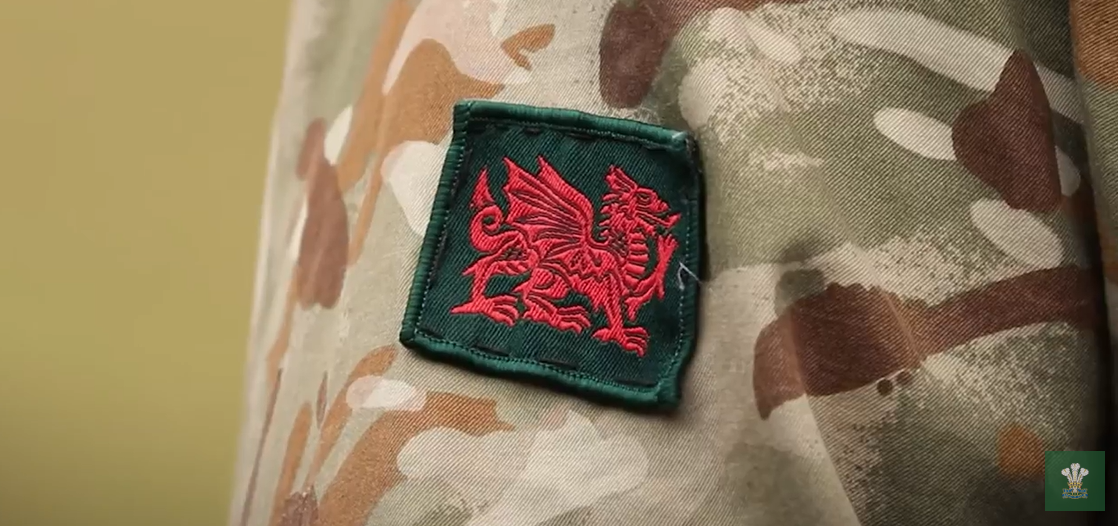
The regiment is fiercely proud of its Welsh identity, which permeates its culture and traditions. The regimental motto is Gwell Angau na Chywilydd, which translates from Welsh to “Death rather than Dishonour.”
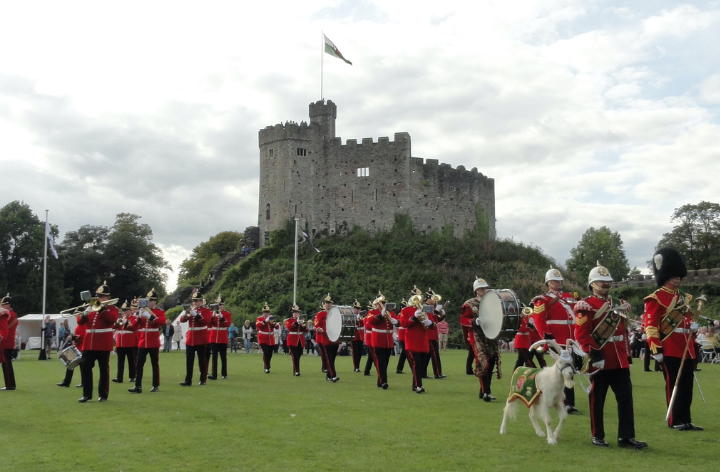
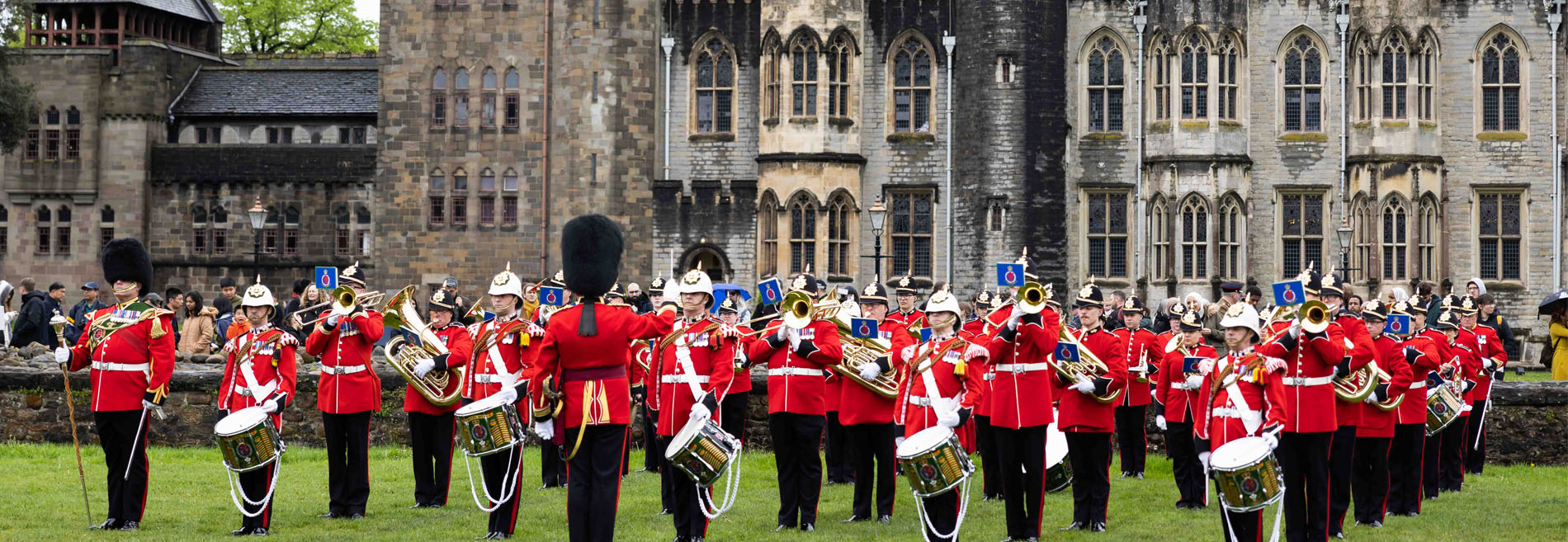
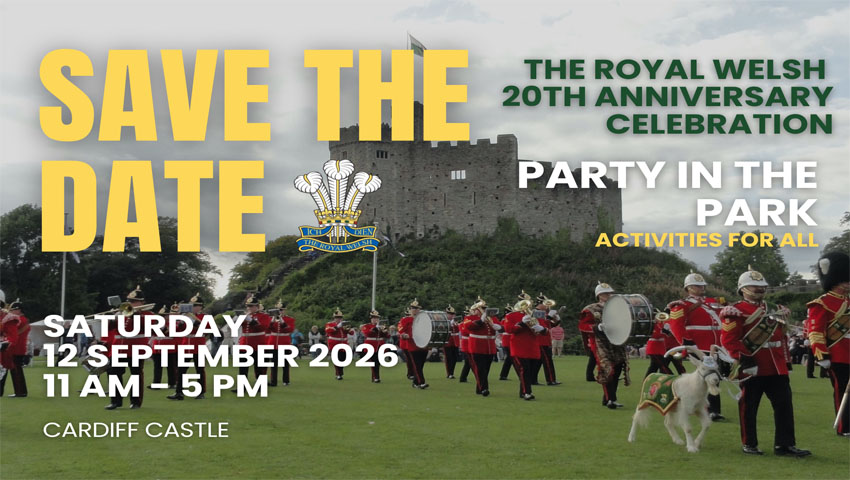
Perhaps the most famous and beloved tradition of The Royal Welsh is the regimental goat. The tradition of Welsh regiments marching with a goat date back to the late 1700s. The goat holds an official rank, leads the regiment on parades alongside the Regimental Band and Corps of Drums, and is treated with the utmost respect by the soldiers.
Combining state-of-the-art armoured warfare capabilities with centuries of unbroken martial tradition, The Royal Welsh remains a cornerstone of the British Army and a source of immense national pride for Wales.